[Archived]
2020
My role
UX Designer and Researcher
Tools
Figma, Miro, UXpressia, Optimal Workshop
What’s this all about?
Barcelona Design Week (BDW), part of the World Design Weeks network, was created by the Barcelona Design Centre in 2006.
As part of my Master’s in Interaction Design & User Experience, I had to design the event’s information architecture. The challenge was unique: for the first time, due to the pandemic, BDW would be a hybrid event, combining both in-person and online participation.
Context & Goal
The goal of this project was to design a platform for Barcelona Design Week (BDW) that reflected the hybrid nature of the event. Attendees could participate either in person or online, and the platform needed to support both experiences seamlessly.
I began by creating three user personas, each with distinct needs and goals. For every persona, I mapped out two key scenarios, such as:
- Attending an online conference
- Buying tickets and visiting a virtual exhibition
- Finding an event, subscribing, and sharing it
- Searching for a specific activity
- Networking with other attendees
- Participating in an online activity
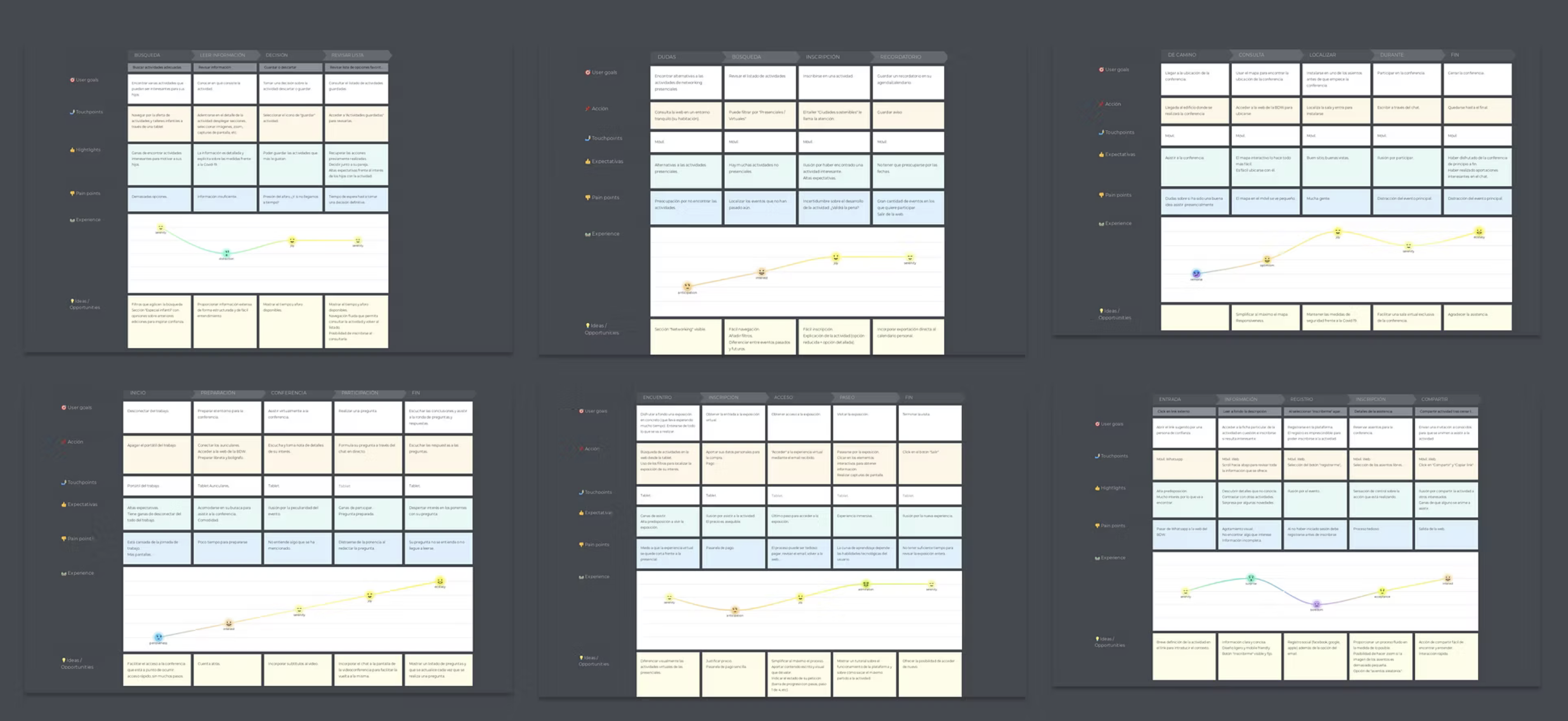
From these scenarios, I built user journeys to visualize pain points and opportunities.
This led me to create a detailed site inventory. To validate and organize the content structure, I conducted unmoderated card sorting sessions with real users using Optimal Workshop.
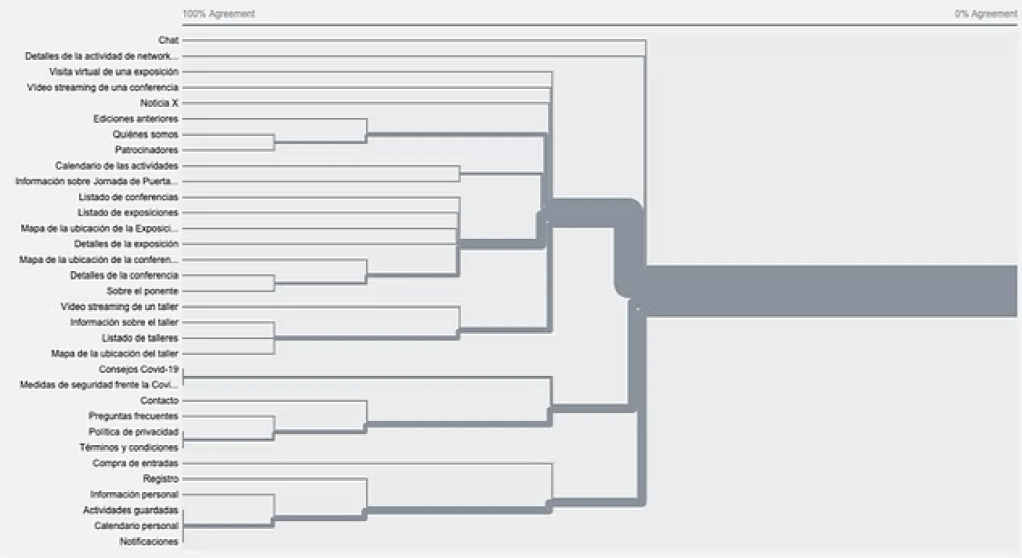

The tool’s visualizations helped me refine the inventory and build a well-structured site map.
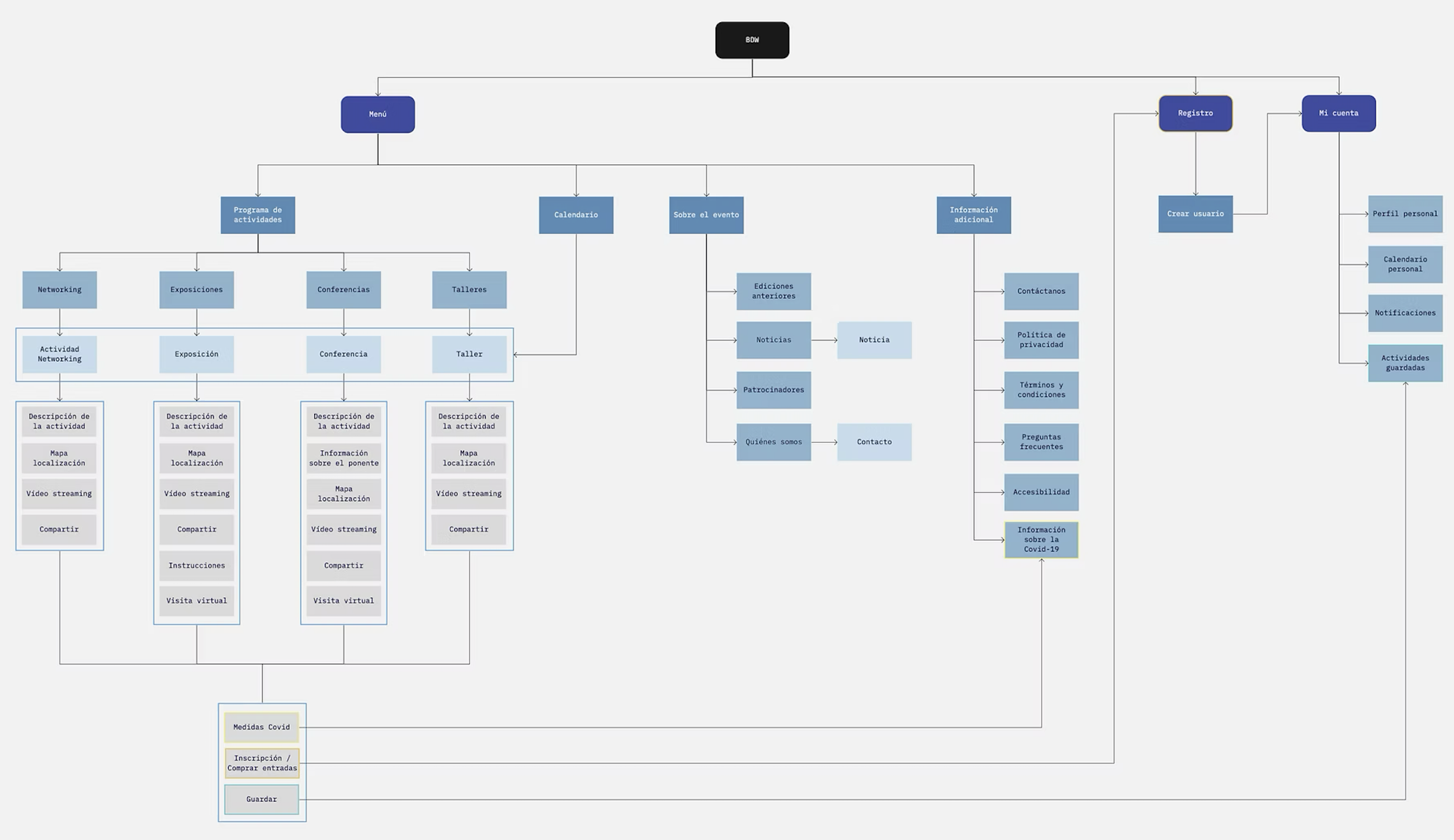
To better understand the flow of interactions, I designed flowcharts that mapped each step users would take on the platform.
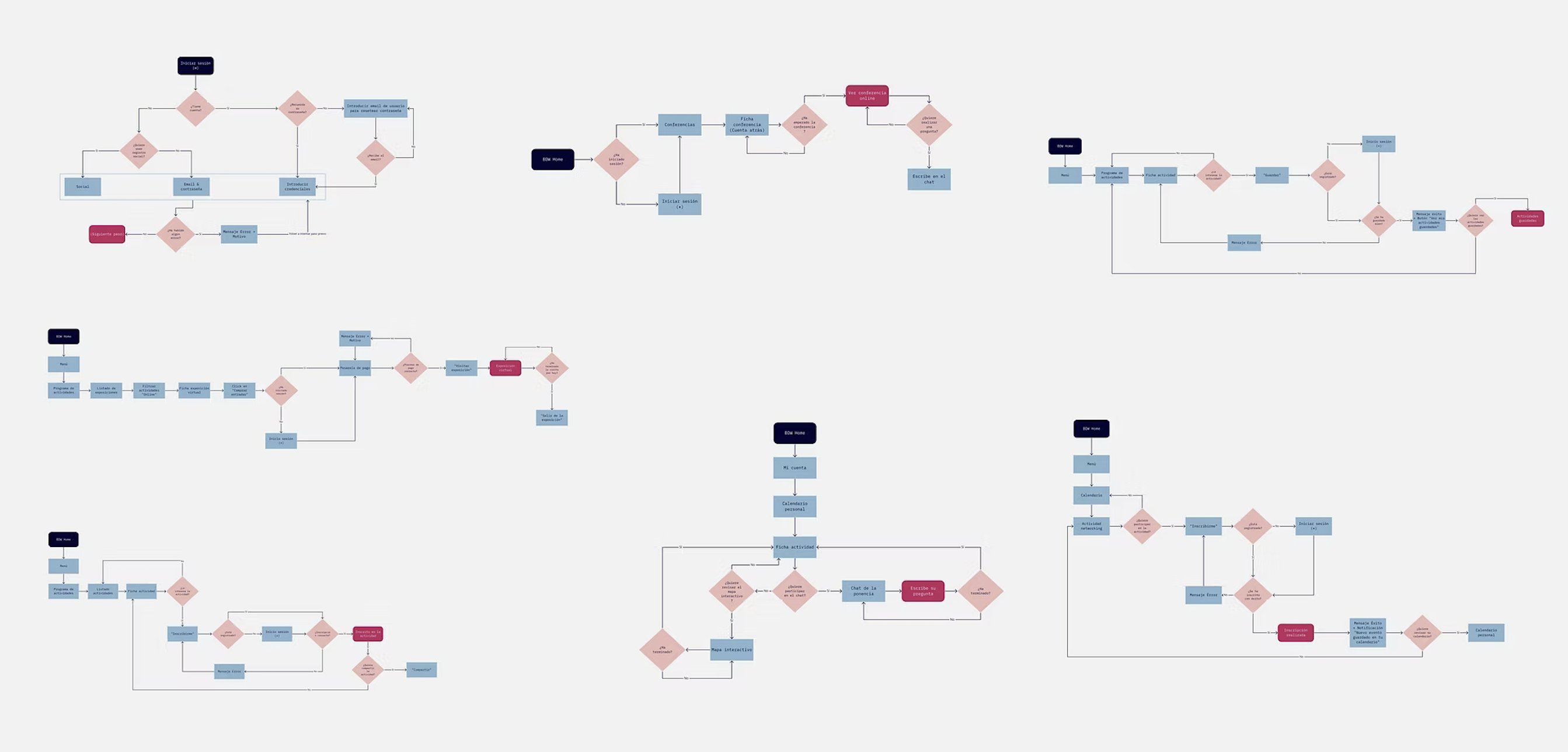
Once the flows were clear, I moved into sketches to explore how content would adapt across devices. Sketching gave a fast, low-cost way to iterate, test ideas and spot issues before moving on to wireframes.
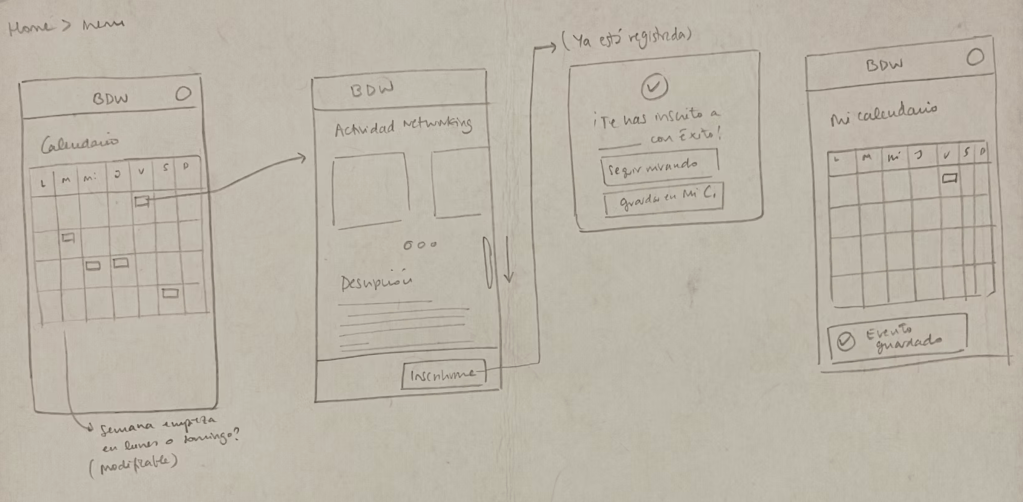
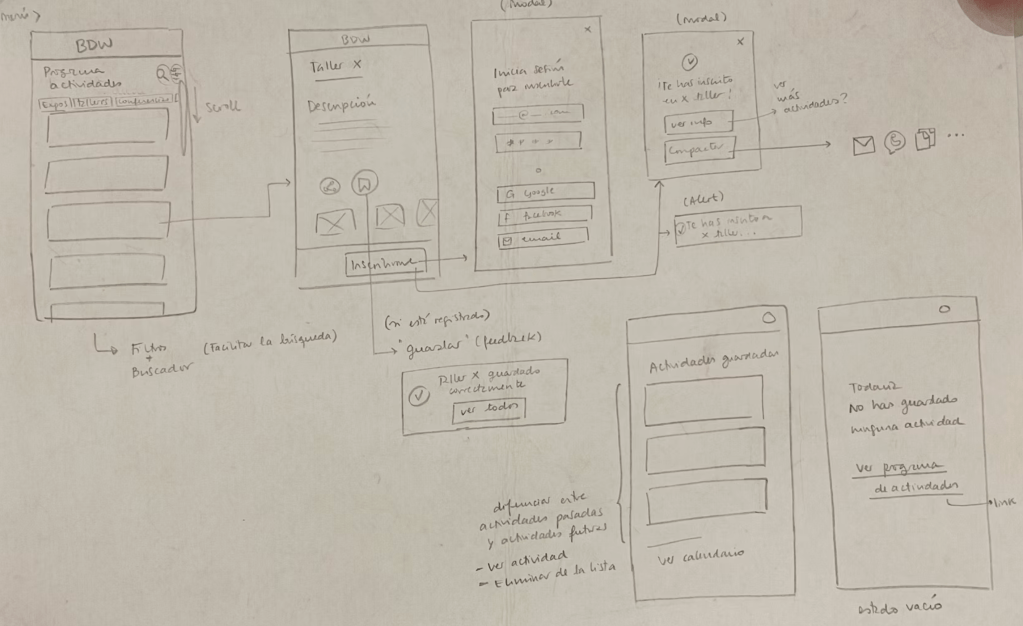
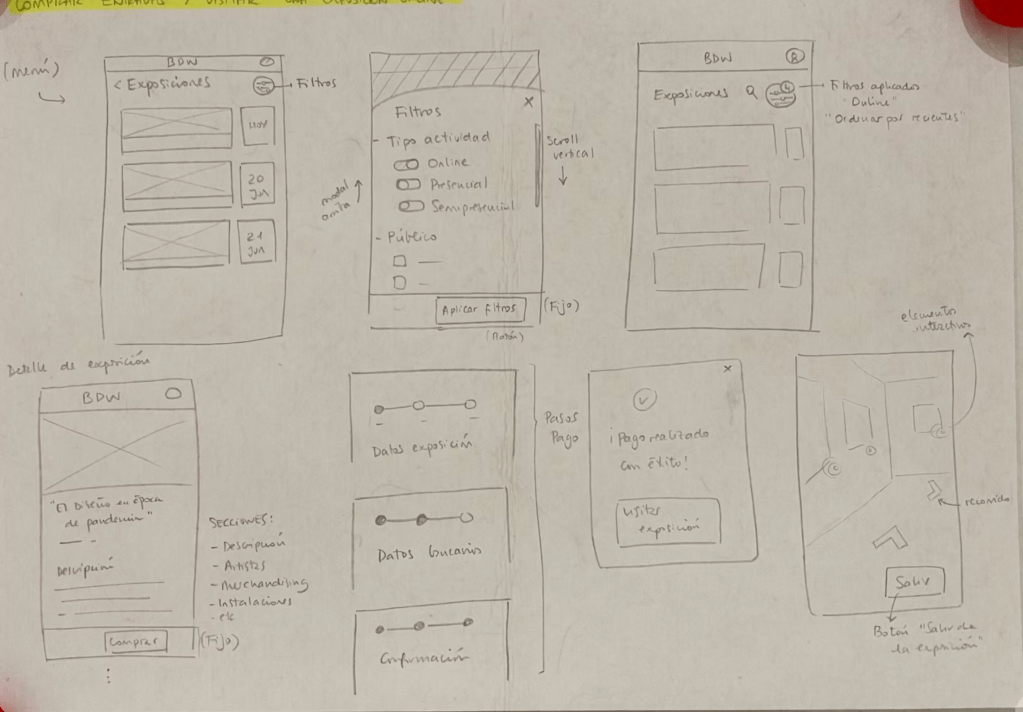
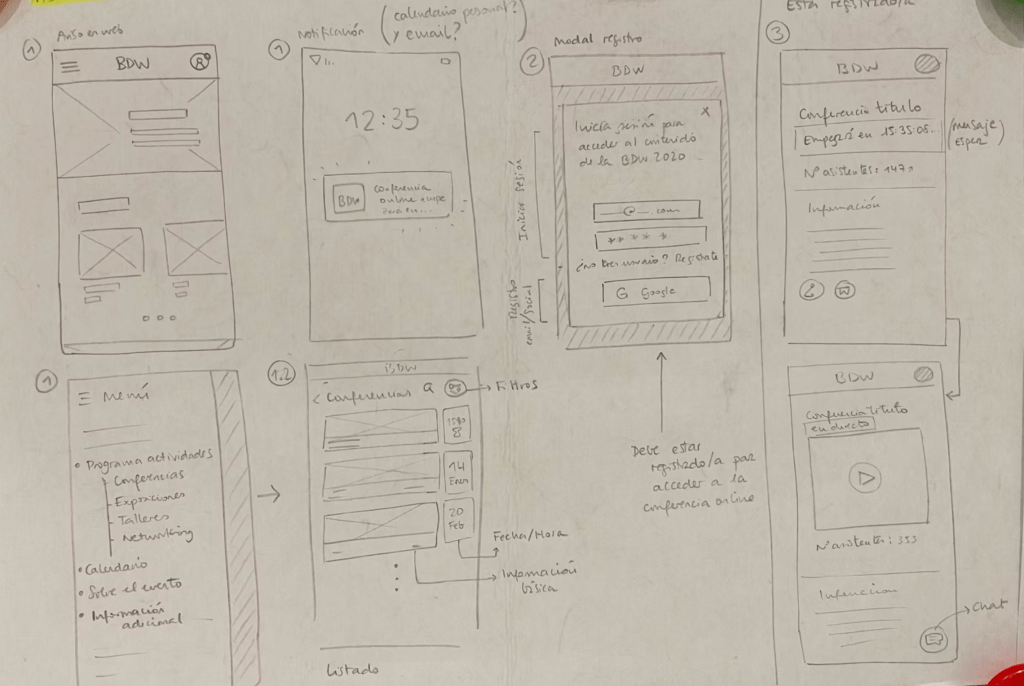
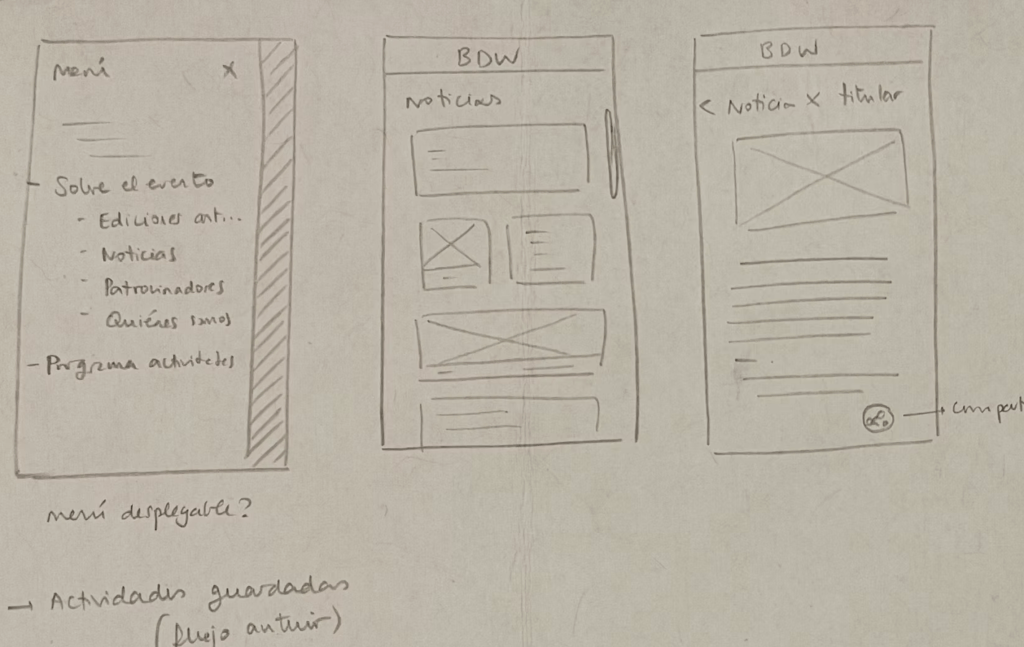
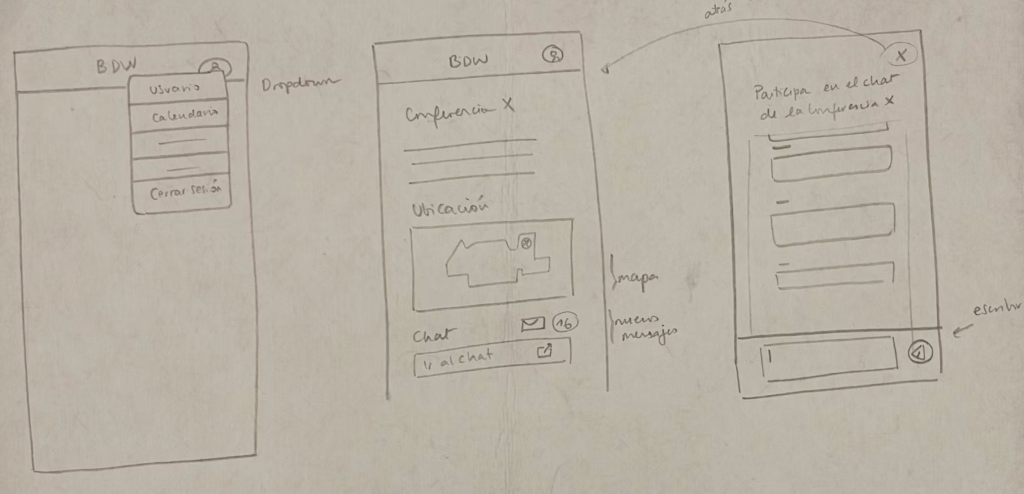
Wireframes were key in this design process because they allowed me to focus on structure, flow, and hierarchy without getting distracted by colors, typography, or visuals.
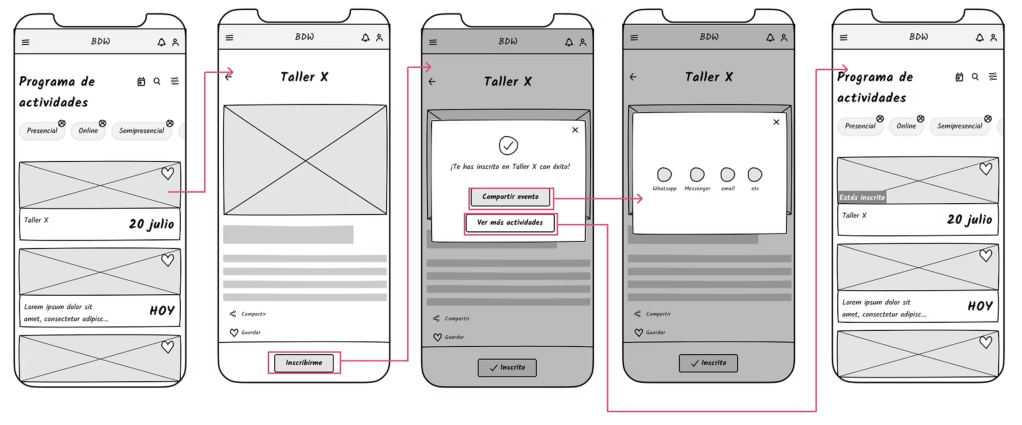
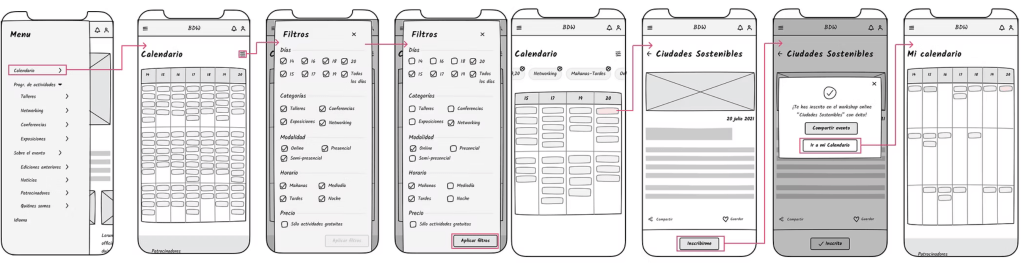
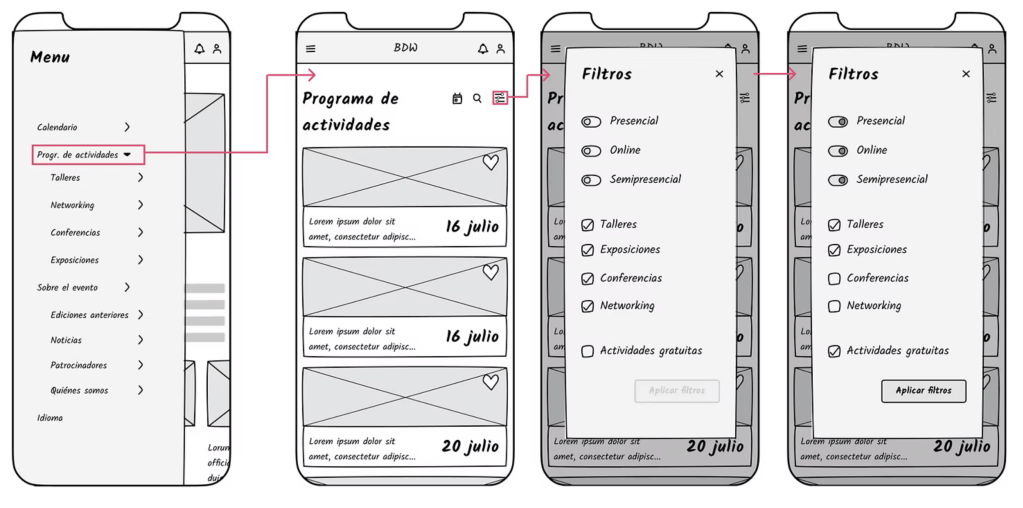
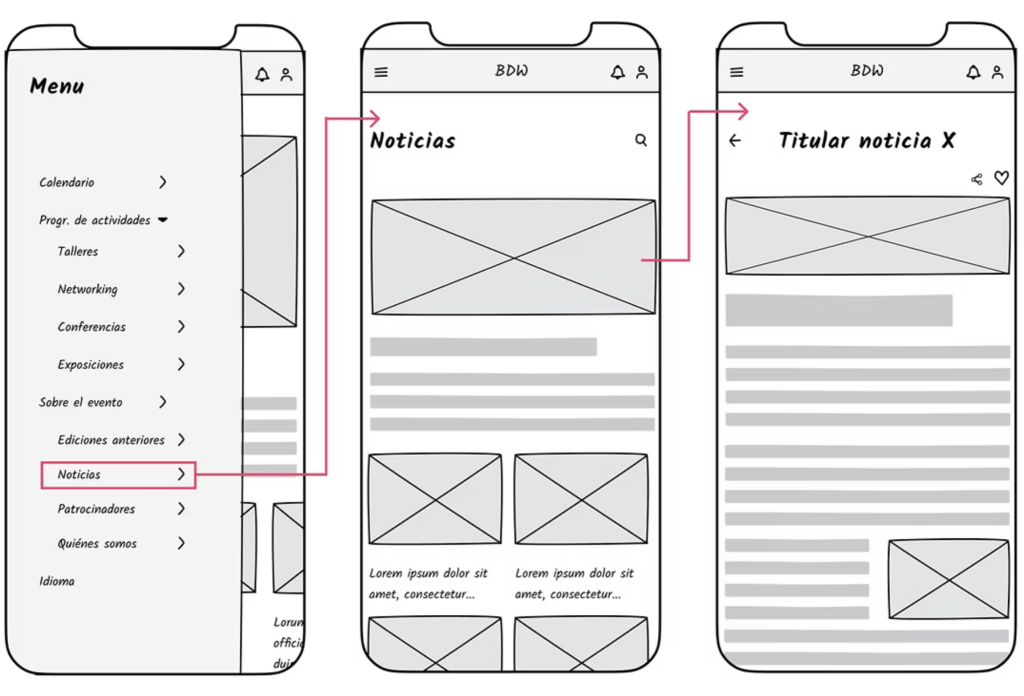

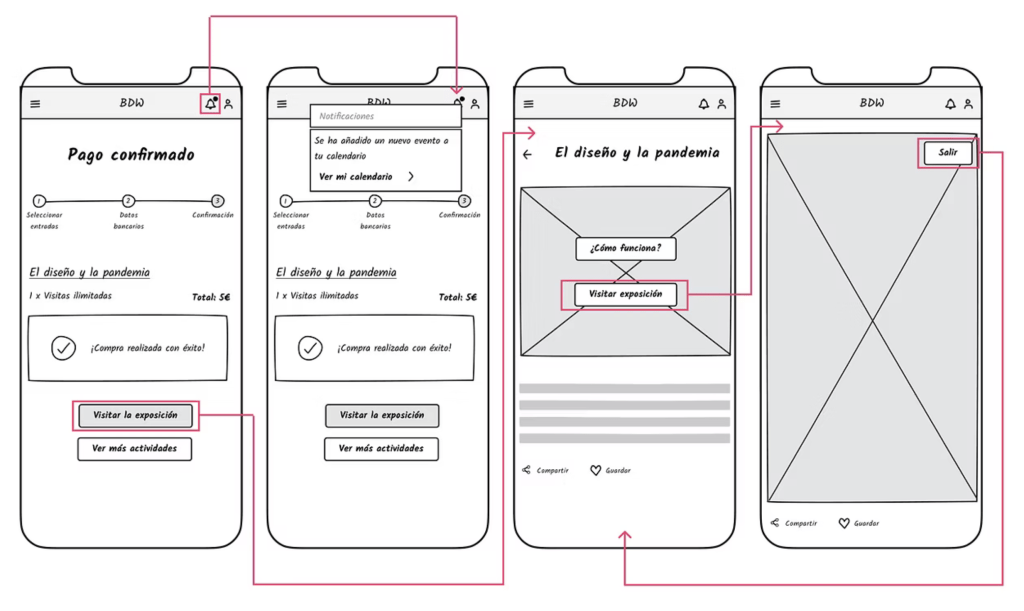
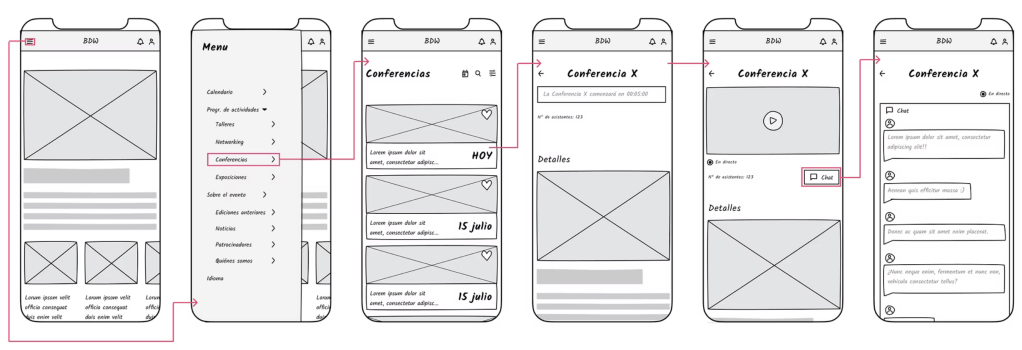
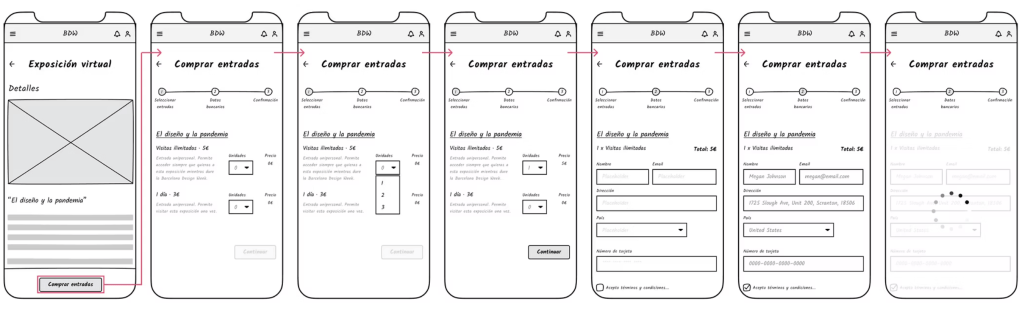
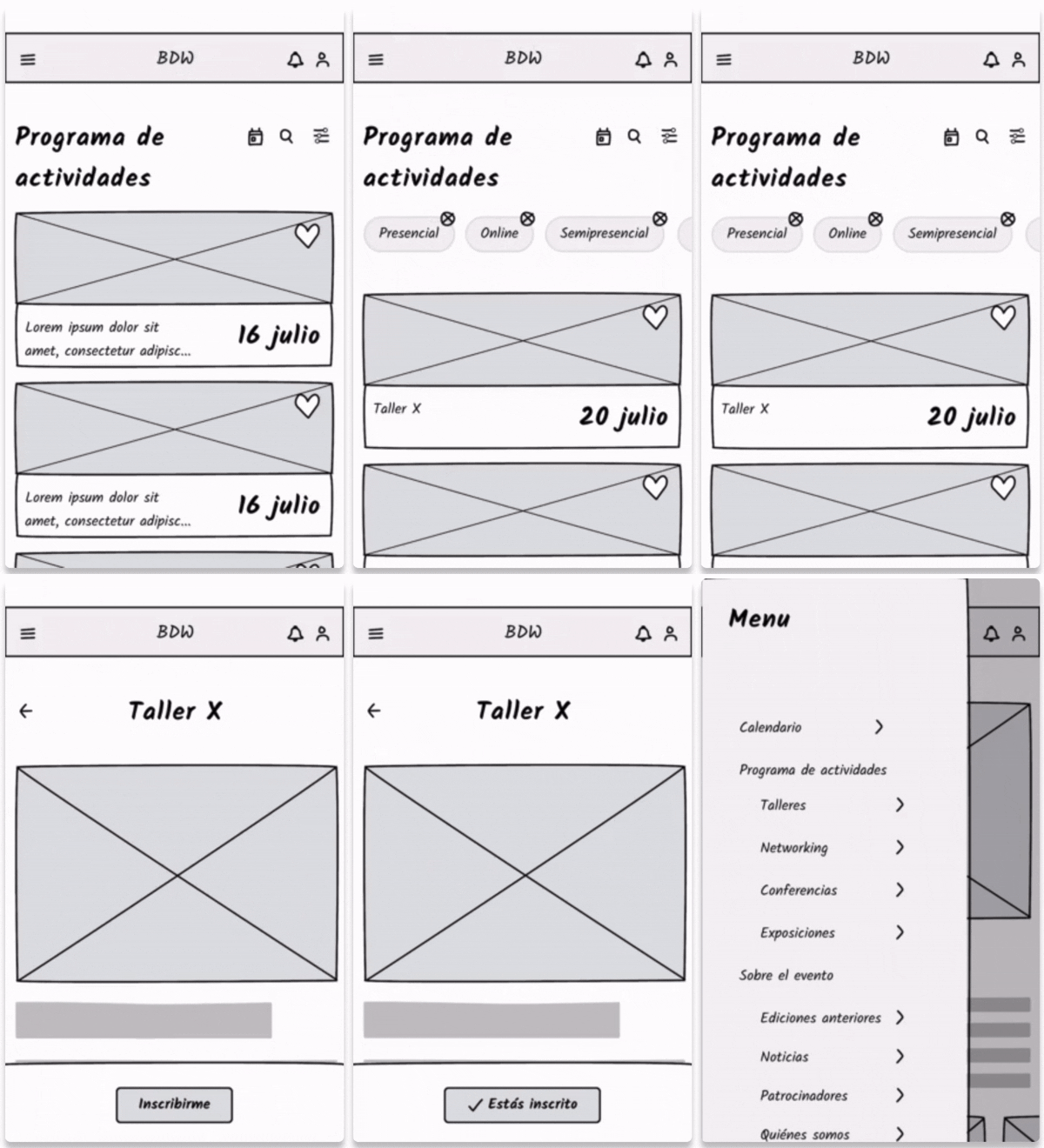
Finally, I developed a low-fidelity prototype, bringing the structure and flows to life.
Next Steps
The goal of building the prototype with the wireframes was to test the design proposal and make all the necessary changes until a final version is reached.
From there, if this had been a real project, the next step would have been to translate the validated prototype into high-fidelity designs for further testing.
Want to see more? Check out other case studies here.
 sarahfontes.com